
Duck'n'Dove
Feeding Ducks and Doves Responsibly
Feeding birds can be a therapeutic way to connect with nature, but doing it wrong can actually harm the animals or the local ecosystem. Here is a checklist to ensure your next park visit is helpful rather than harmful.
🦆 The "What’s on the Menu" Checklist
The biggest mistake people make is feeding birds bread. Bread is essentially "junk food" for ducks—it fills them up without providing nutrition, leading to deformities like "Angel Wing."
- Ditch the Bread: No crackers, chips, cereal, or white bread.
- Duck-Friendly Options:
- Halved grapes (seedless).
- Defrosted frozen peas or corn.
- Oats (rolled or instant).
- Birdseed or cracked corn.
- Chopped lettuce or kale.
- Dove-Friendly Options:
- Safflower seeds.
- Sunflowers seeds (hulled are best to prevent mess).
- Millet or cracked corn.
📍 Where and How to Feed
Where you place the food matters just as much as what the food is.
- Avoid the Water: Don't throw food directly into the pond. Rotting food creates algae blooms that kill fish and make ducks sick.
- Land is Better: Scatter food on the grass or flat surfaces nearby.
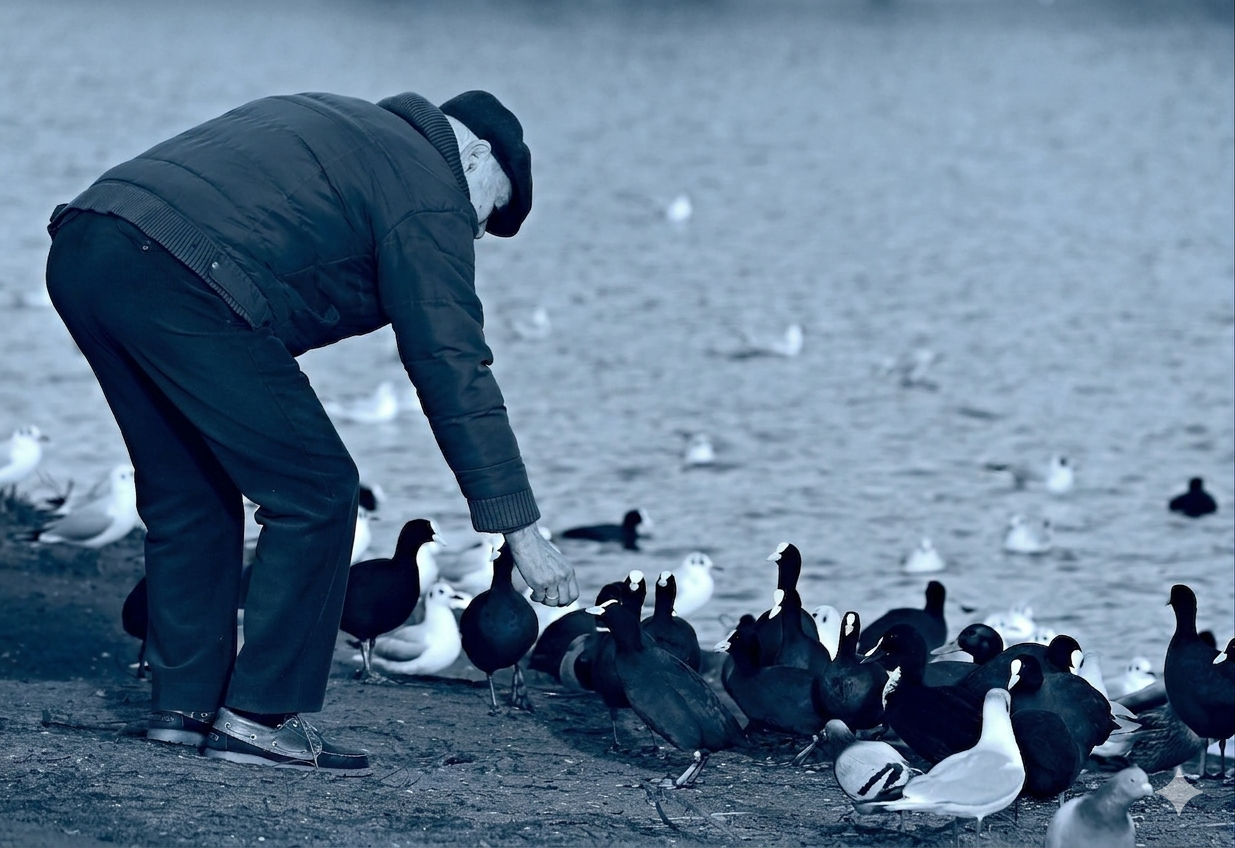
- Keep Your Distance: Toss the food toward them rather than trying to hand-feed. This prevents them from becoming overly aggressive or lose their natural fear of humans.
- Clean Up: If the birds stop eating, stop feeding. Leftover food attracts rats and other pests.
👀 Observations & Etiquette
Keep an eye on the environment and the birds' behavior to ensure a safe experience.
- Check Park Rules: Look for signs. Some parks prohibit feeding to prevent overpopulation or water contamination.
- Watch for Aggression: If a "feeding frenzy" starts, back away. Large groups of birds competing for food can lead to injuries.
- Assess Health: Look for birds that seem lethargic or have drooping wings. While you shouldn't touch them, you can note their location and contact local wildlife rehabilitators if they look distressed.
- Mind the Predators: Be aware of off-leash dogs or cats in the area. Don't lure birds into an area where they are vulnerable to being chased.
💡 Pro-Tip
Bring a container. Instead of keeping seeds in a crinkly plastic bag (which can scare birds or become litter), use a reusable Tupperware. It’s easier to pour and better for the planet!